244 - Forst Zinna
History:
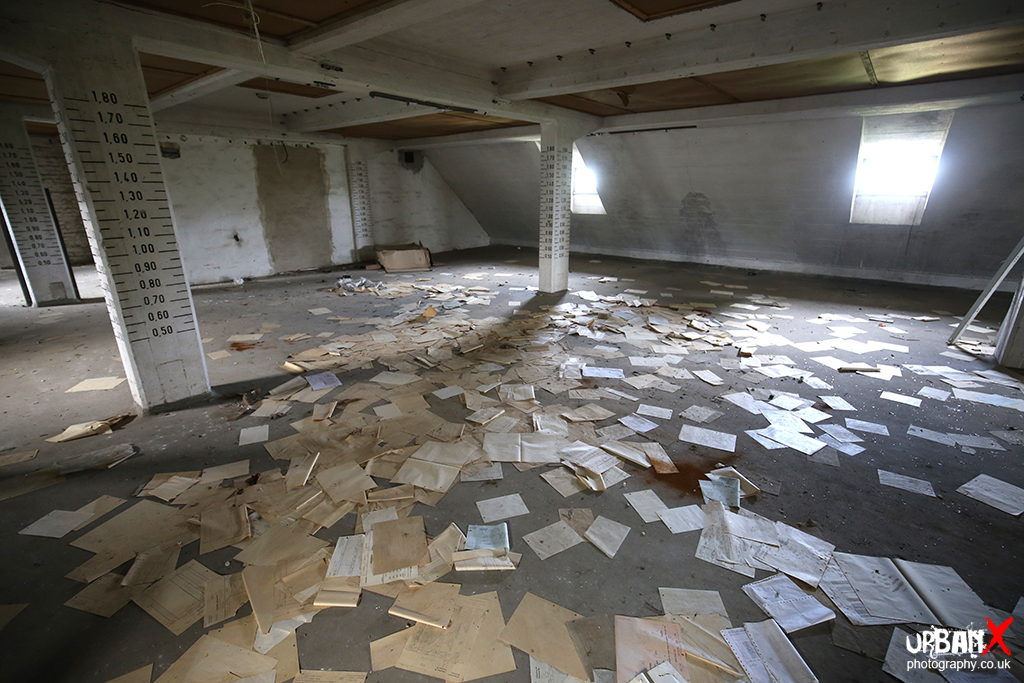
East Germany’s forests are peppered with military training spaces and barracks. Most have been demolished by the government, but some remain. Demolition did start on this site but seems to have stalled.
In Carlo’s book ‘Soviet Ghosts in Germany’ it states that Forst Zinna was built in 1934 during the early days of the Third Reich. It served as part of the country’s rearmament program and is conveniently located an hour south of Berlin.
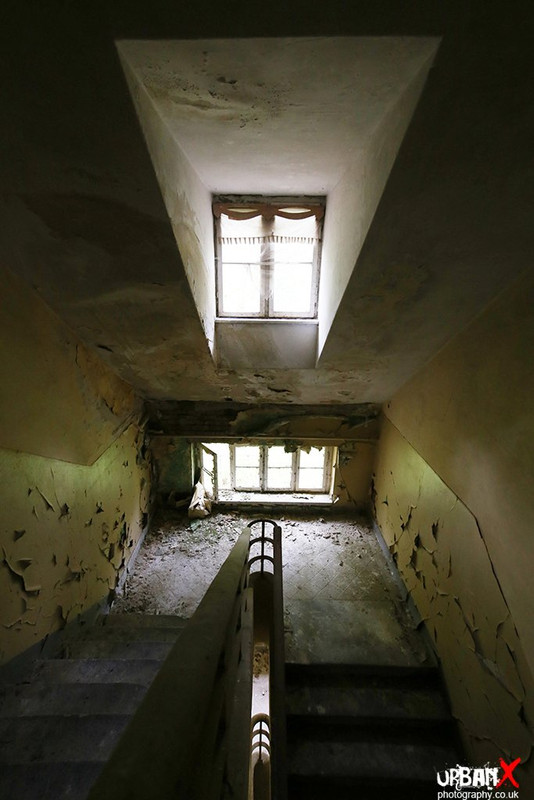
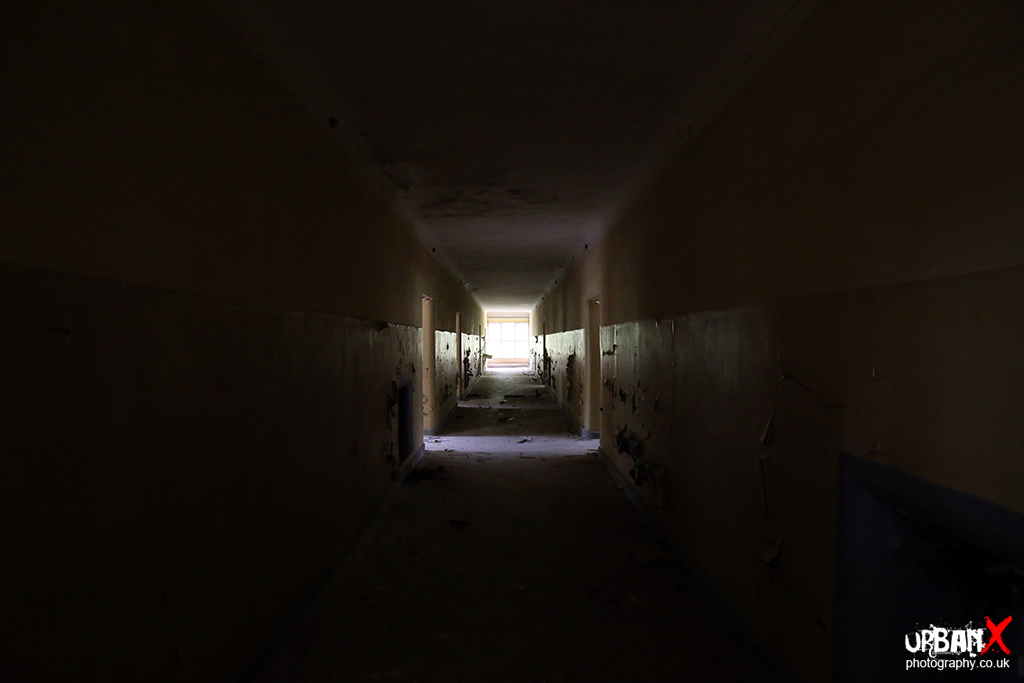
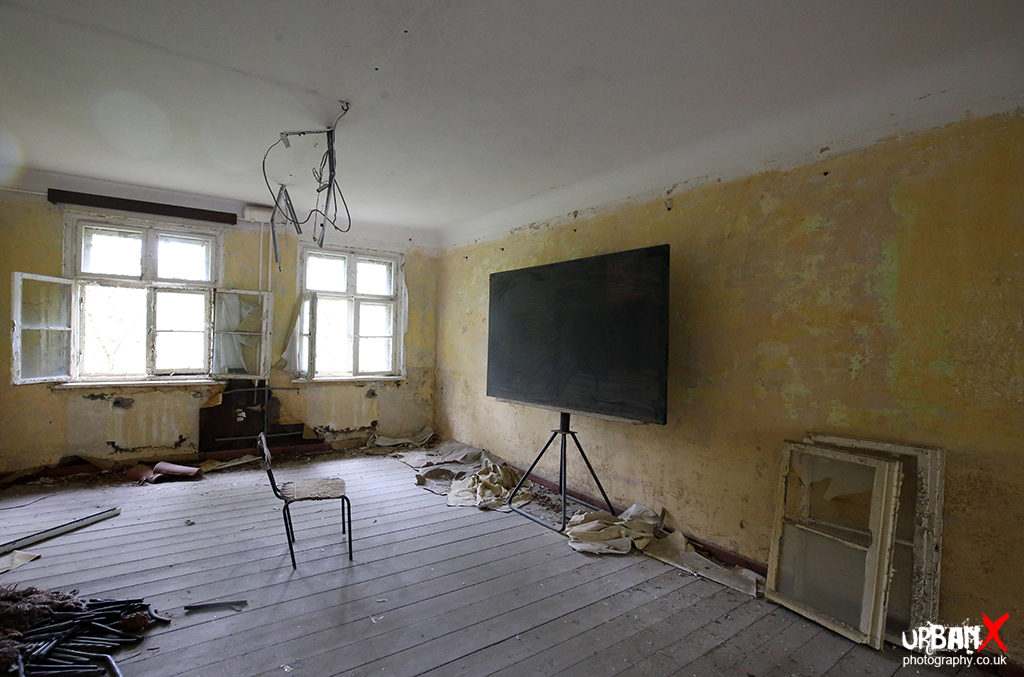
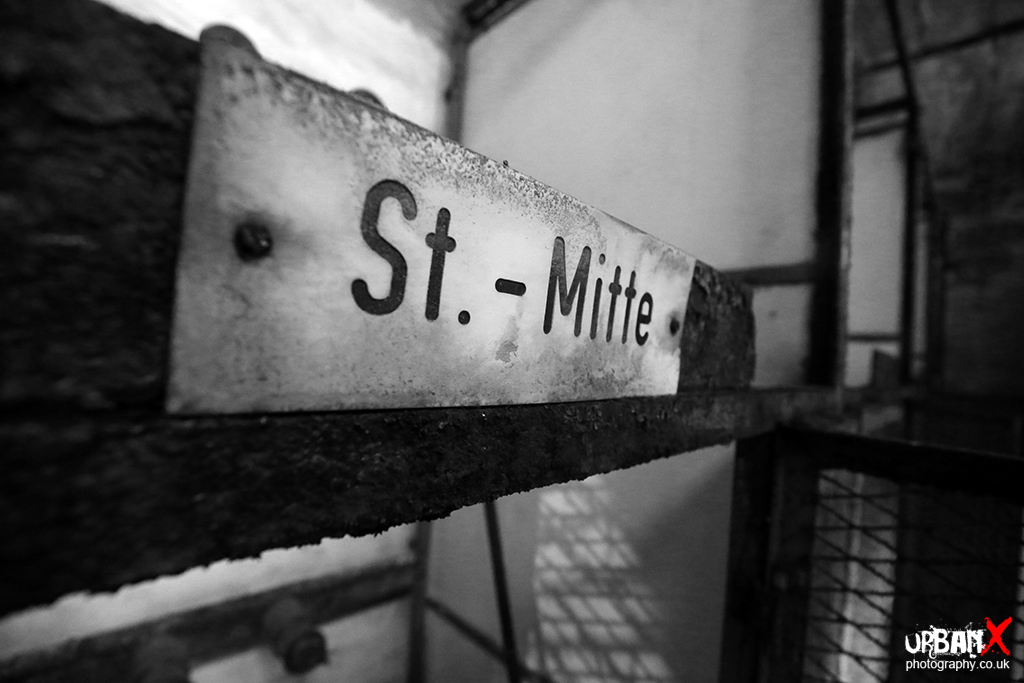
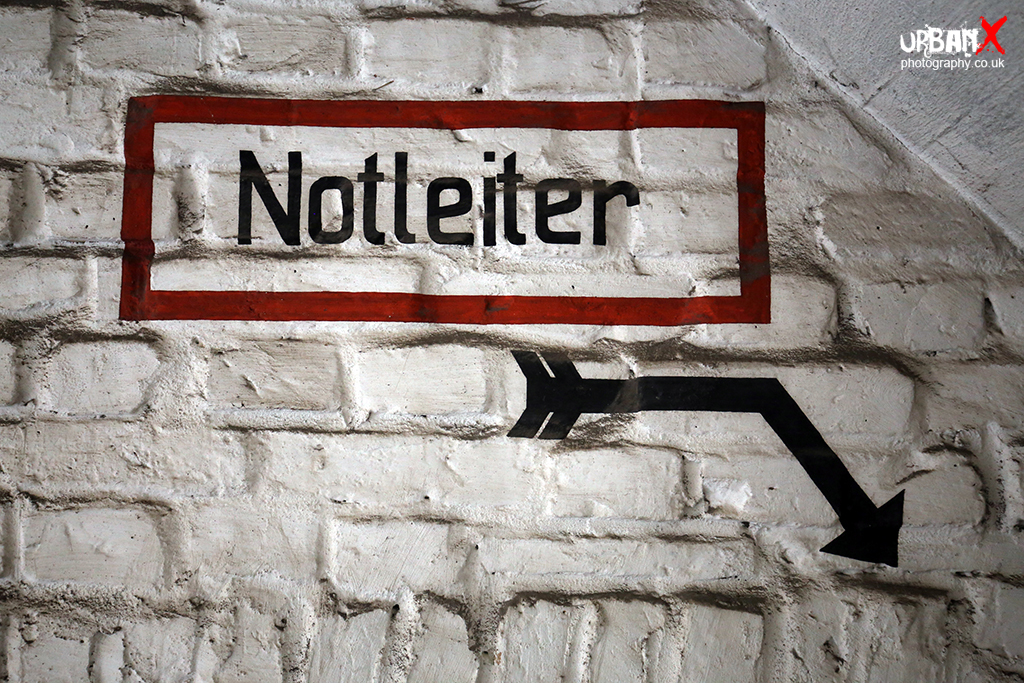
During the war, it operated as a Nazi military base and consisted of numerous multi-story buildings. These include soldiers’ barracks, training rooms, administration facilities, and a prison, among others.
A.K.A Lager III and the Adolf Hitler Lager to those within the Nazi Party, first housed members of the SS. In 1935, it became a training camp for the Artillerieschule Jüterbog.
As the war began to draw to a close, Forst Zinna housed the RAD Division No. 2 Friedrich Ludwig Jahn. Consisting of 7,500 RAD members and the remnants of the 251st Infantry Division, it became involved in combat with the Red Army in April 1945.
The division managed to defeat the Soviets and continued westward. However, they surrendered to the Americans in May 1945, after which they were handed to the Soviets as prisoners of war.
Immediately after the war, Forst Zinna was used by the Soviet Army as a displaced persons camp. It housed refugees from Eastern Europe and former inmates from Nazi concentration camps. Most were there against their will and only allowed to leave in collective transports tasked with deporting them to their home countries.
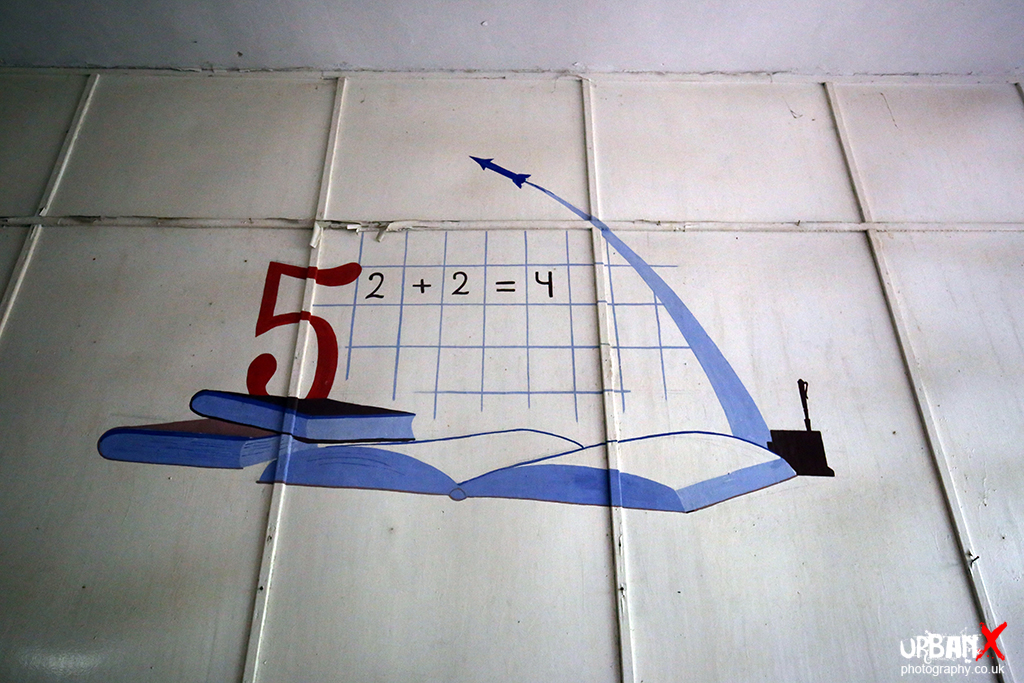
Due to its architecture, Forst Zinna was converted into the German Administrative Academy in 1947. Using the pre-existing buildings, the Socialist Unity Party of Germany (SED) aimed to train political elites for self-government of the Soviet occupation zone and the German Democratic Republic, which was founded in 1949.
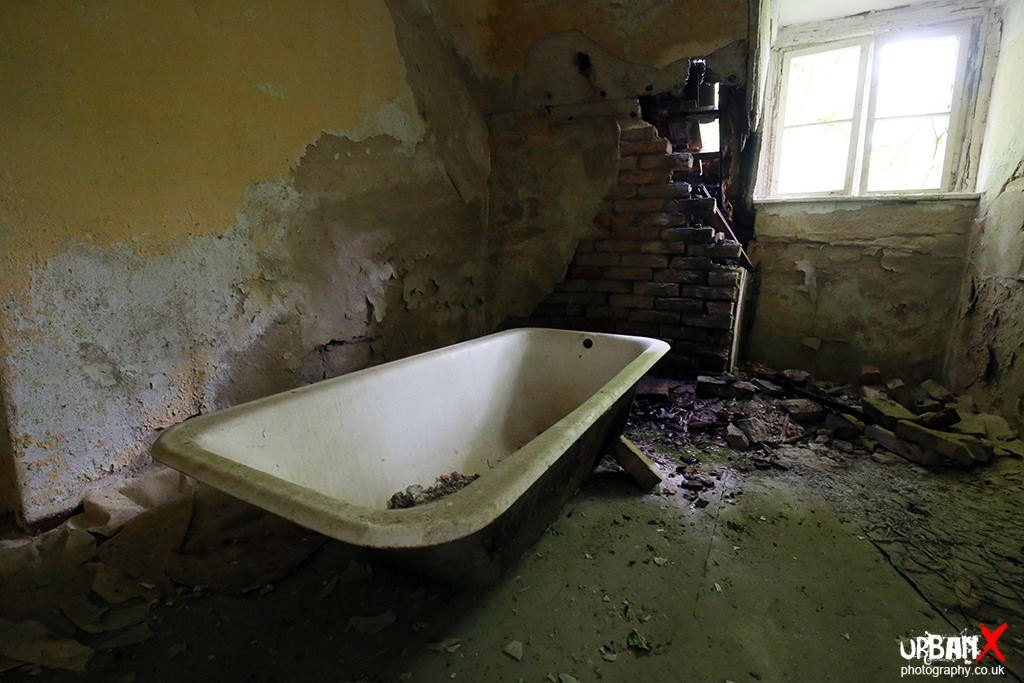
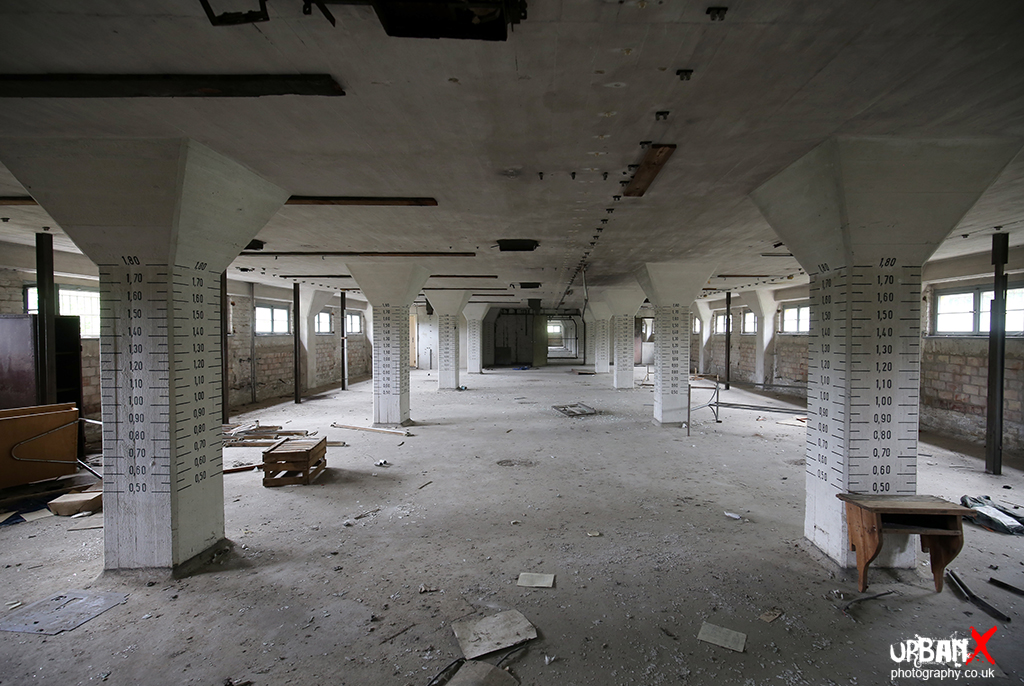
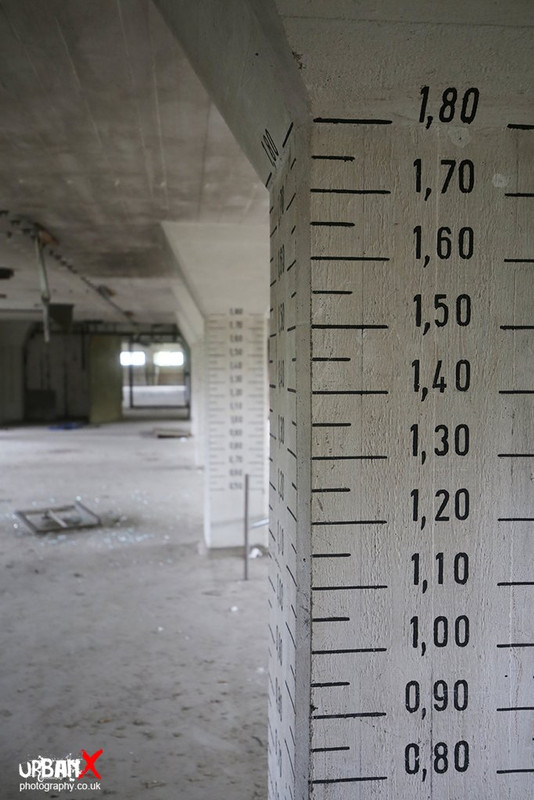
Numerous well-known artists were hired to redesign and expand the base. Yugoslavian architect Selman Selmagagić designed the furniture, while painter Lothar Zitzmann was commissioned to paint a mural. They built upon the existing structures, which the SED felt offered perfect conditions for the academy.
The German Administrative Academy was transferred to Potsdam-Babelsberg in February 1953. There, it was merged with the German University for Justice, creating the German Academy for Political Science and Law.
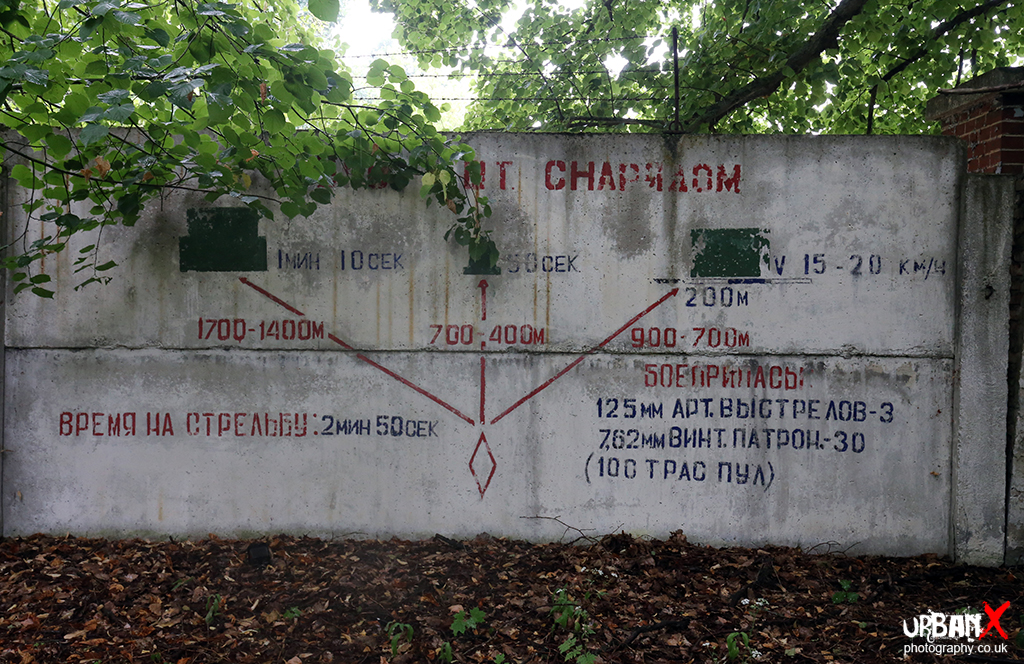
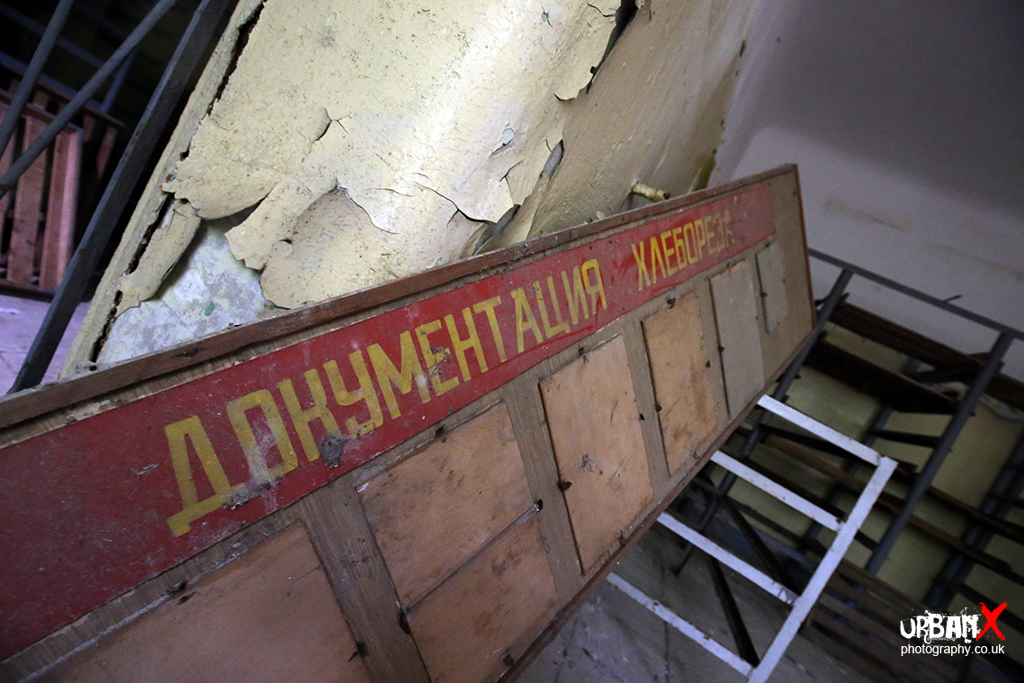
The Soviet Army soon moved into Forst Zinna. The first batch of troops to reside there were of the 18th Guards Tank Army.

During the 1970s, the base was once again expanded, this time to include a new facility for a construction battalion. The military area also saw work done to build new administration buildings, farming facilities, a cinema, and allegedly a zoo, but we didn’t see any evidence of this!
In January 1988, Forst Zinna experienced one of the worst railway incidents to occur in the GDR when an express train crashed into a Soviet tank on the tracks. Six people lost their lives and another 33 were injured. The Soviet Army normally used the area for tank training and was later deemed responsible for the incident.(Check out Wiki for more gory details of this)
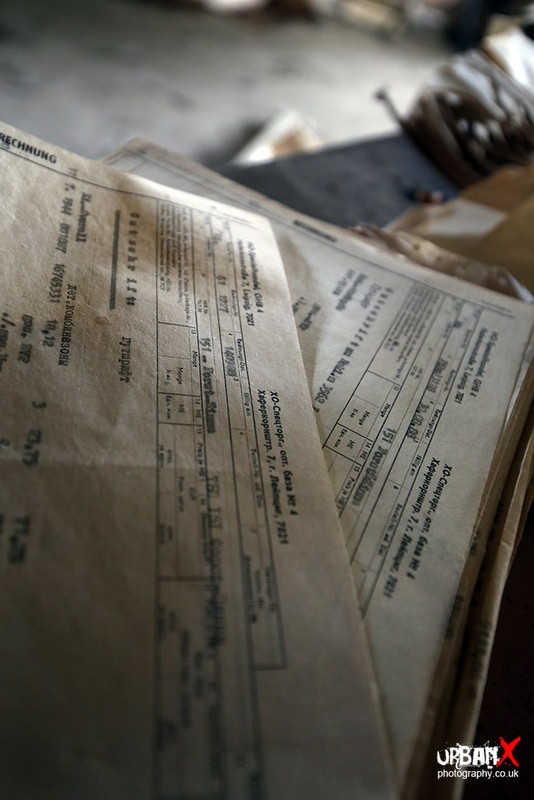
Soviet troops lived in the area until the late 1980s. They steadily began to return to the Soviet Union, and the site was eventually returned to the the newly unified Germany after Berlin Wall fell.
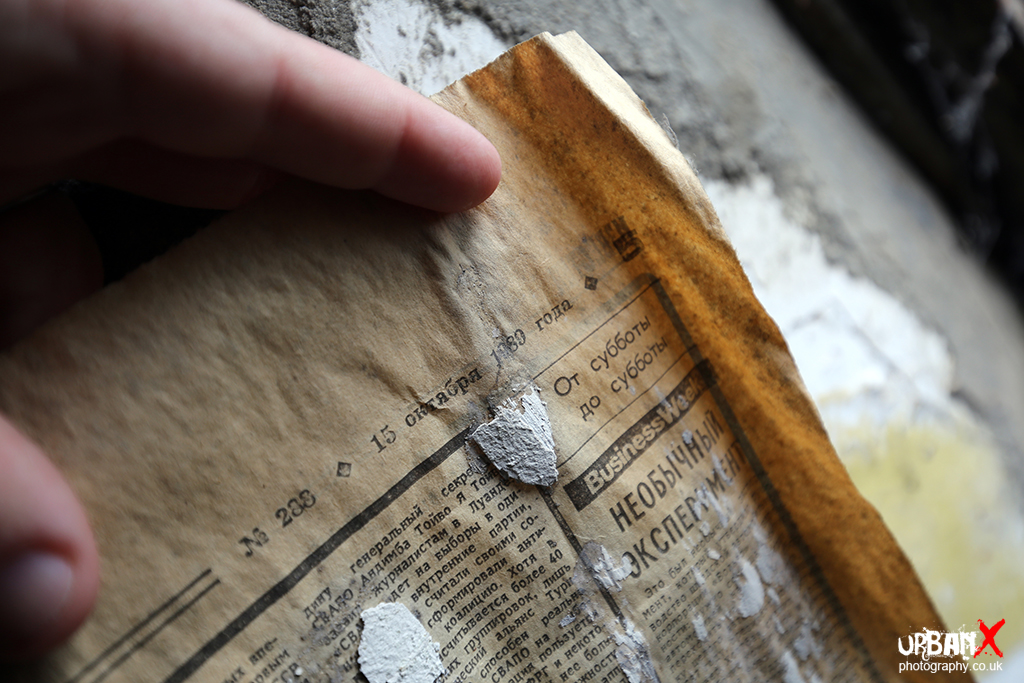
As many other military bases began to return to German hands, the country found itself in control of facilities it no longer had any use for. It was therefore decided the majority would be demolished, including Forst Zinna.
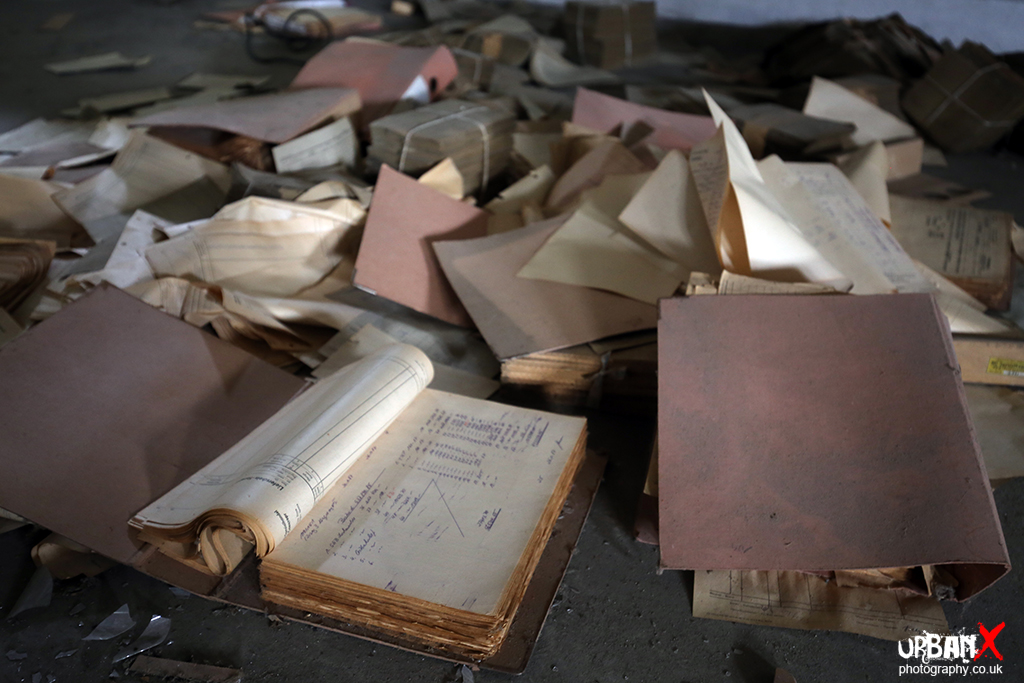
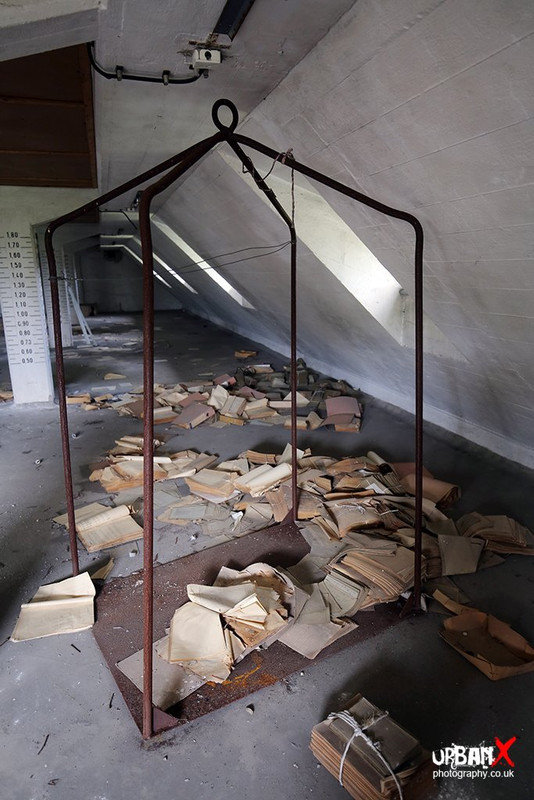
Demolition on Forst Zinna began in 2007, with plans to renature the area. It has since been slow to occur. While some of its buildings have been knocked down, others have been left to be taken over by forest vegetation.
Thanks for reading!

No photos have been added to this portfolio yet or the previously uploaded photos have been removed.
To get in touch, please use the contact page.
To get in touch, please use the contact page.